
Chard: The Jewel Of The Autumn Vegetable Garden


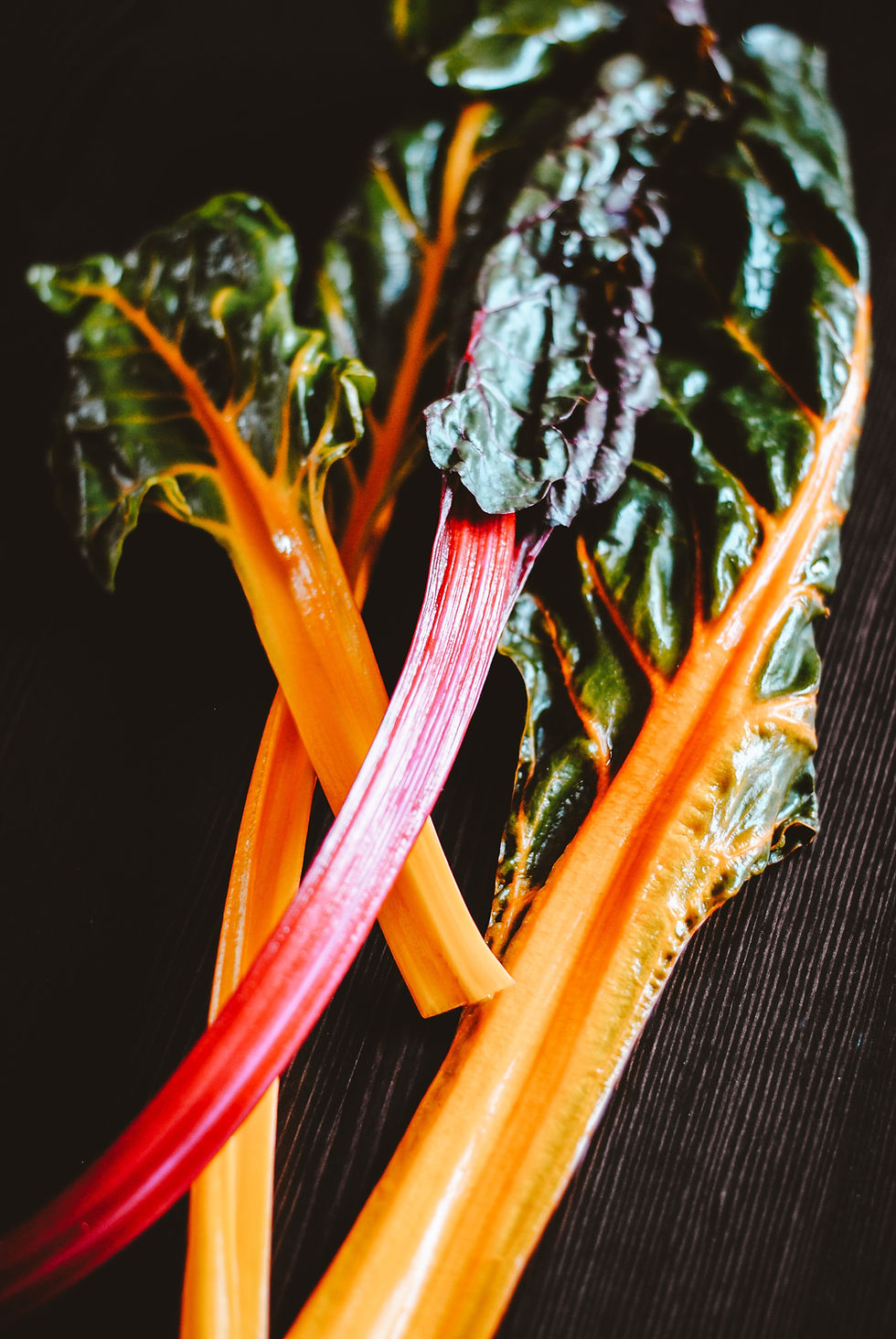
There are few vegetables quite as beautiful as chard. With its vivid stems in shades of ruby, gold, coral and ivory, and its generous leaves rising from the soil like botanical artwork, it is a crop that catches the eye long before it reaches the kitchen. Yet despite its striking appearance and remarkable versatility, chard has remained something of an overlooked treasure—better known to gardeners and chefs than to the wider dining public.
As summer fades and the first signs of autumn appear, chard reaches one of its finest moments. Thriving in the cooler days of the season, it brings colour, texture and a depth of flavour to the table at precisely the point when the kitchen begins to move towards richer, more comforting cooking.
An Ancient Vegetable with a Modern Appeal
Chard has a history that stretches back thousands of years.
A close relative of beetroot, it was cultivated by ancient Mediterranean civilisations that valued its resilience and nutritional qualities long before it found its way into modern kitchens. The Romans were known to appreciate leafy vegetables of the beet family, while across Europe chard became a dependable ingredient in regional cooking, particularly in countries where seasonal eating was shaped by what could be grown locally.
Its long history is perhaps surprising given how contemporary it feels today.
As chefs have rediscovered heritage vegetables and embraced a more sustainable approach to cooking, chard has found renewed appreciation. Its combination of beauty, flavour and versatility makes it perfectly suited to a modern kitchen that values both provenance and creativity.
A Vegetable of Two Personalities
One of chard's greatest qualities is that it offers two distinct culinary experiences in a single plant.
The leaves are tender, delicate and slightly earthy, with a flavour somewhere between spinach and beetroot greens. They soften beautifully when cooked and provide a rich, savoury foundation for countless dishes.
The stems, meanwhile, offer something entirely different. Crisp, juicy and naturally sweet, they bring texture and colour, making them valuable in their own right rather than something to discard.
This dual nature is part of chard's charm.
A thoughtful cook understands that every part of the vegetable has something to contribute, whether the leaves are folded through pasta, stirred into soups or layered into savoury pies, while the stems are pickled, roasted or sautéed with garlic and olive oil.
It is an ingredient that rewards respect.
The Beauty of Simple Cooking
Like many of the finest seasonal vegetables, chard does not require complicated treatment.
A gentle sauté with good olive oil, garlic and a touch of chilli reveals its natural character beautifully. The leaves soften into a silky texture while the stems retain a pleasing bite, creating a dish that is both humble and elegant.
It is equally at home in Mediterranean cooking, where it pairs naturally with lemon, feta, pine nuts and grains. Folded into a rustic tart with ricotta, baked beneath a golden pastry crust or stirred through a creamy risotto, it brings freshness and depth.
The leaves also make a wonderful alternative to spinach, adding greater complexity to classics such as gratins, cannelloni and spanakopita-style dishes.
Few greens offer such a rewarding balance between delicacy and substance.
A Celebration of Colour and Season
Perhaps chard's greatest gift is the sense of joy it brings to the kitchen.
At a time of year when gardens begin to lose the bright colours of summer, rainbow chard provides a final flourish. Its vibrant stems and deep green leaves bring energy to autumn cooking, reminding us that seasonal eating is not only about flavour but also about beauty.
For growers, chard is equally rewarding. Hardy, productive and capable of thriving in cooler conditions, it represents the kind of resilient crop that has long been valued in kitchen gardens and allotments.
It is a vegetable perfectly suited to a more thoughtful approach to food—one that celebrates what grows well, reduces waste and values ingredients for their individuality.

From Garden Plot to Fine Dining
The revival of chard reflects a broader change in how we view vegetables.
Once considered humble and perhaps even old-fashioned, many heritage crops are now finding their way onto some of the most ambitious menus. Chefs increasingly recognise that exceptional cooking is not defined by expensive ingredients, but by understanding flavour, seasonality and the potential of what is already available.
Chard embodies this philosophy.
It requires no transformation into something else. Its appeal lies in allowing its natural qualities to shine.
A handful of leaves from a local grower, treated with care and paired thoughtfully, can become every bit as memorable as more celebrated ingredients.
The Quiet Beauty of the Autumn Harvest
Chard may never command the same attention as asparagus in spring or strawberries in summer.
Perhaps that is part of its appeal.
It belongs to the quieter moments of the culinary year—the first cool evenings, the return of slower cooking and the pleasure of discovering ingredients that have been waiting patiently for their moment.
Elegant, versatile and wonderfully seasonal, chard is a reminder that some of the greatest pleasures in food come not from rarity, but from rediscovery.
As autumn arrives, this jewel of the vegetable garden deserves its place at the centre of the table.


