
The Classic British Dessert That Evokes Memories

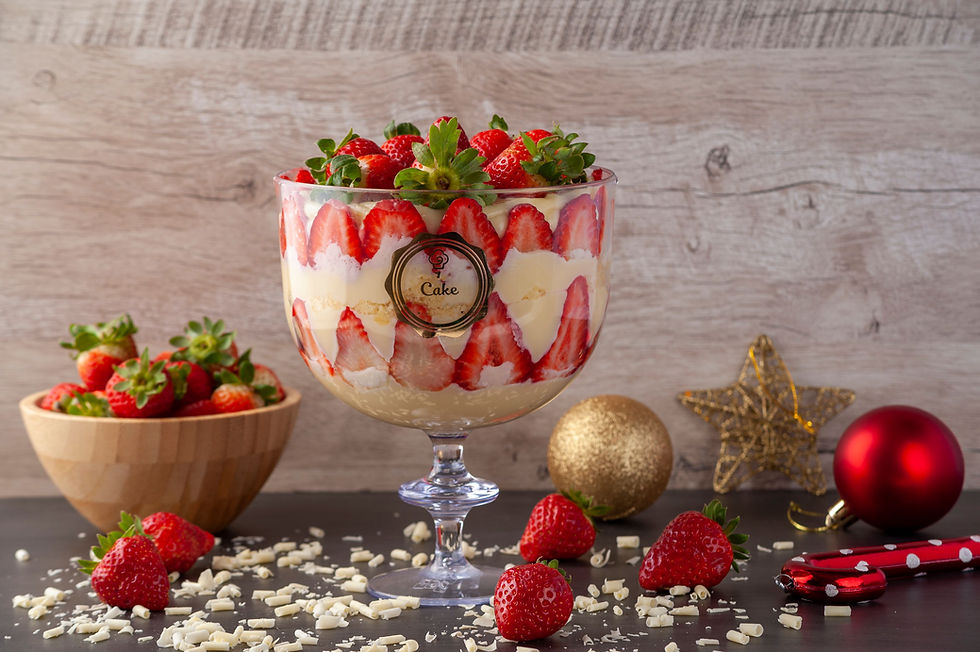
There are few desserts that capture the spirit of British hospitality quite like a trifle.
Served in a gleaming glass bowl that reveals its jewel-like layers beneath clouds of softly whipped cream, it possesses a quiet sense of occasion that few puddings can rival. It is generous without being extravagant, nostalgic without feeling sentimental and, when made with care, every bit as refined as the finest pâtisserie.
For generations, trifle became almost inseparable from Christmas lunch, summer garden parties and large family gatherings, its familiarity perhaps obscuring just how accomplished a dessert it truly is. Today, however, a new generation of chefs and accomplished home cooks are rediscovering its remarkable versatility, celebrating a classic that rewards precision as much as creativity.
A Dessert with Centuries of History
Long before trifle became a centrepiece of the British dining table, its earliest ancestors appeared in sixteenth-century cookery books, where combinations of sweetened cream, spices and scented waters hinted at the layered dessert that would emerge over the following centuries.
As Britain's culinary traditions evolved, so too did trifle. Sponge cake soaked with fortified wine was introduced, followed by fruit preserves, rich vanilla custard and lightly whipped cream. By the Victorian era it had become one of the grand desserts of the dining room, presented in ornate cut-glass bowls designed to showcase every carefully composed layer.
Its visual appeal has always been inseparable from its pleasure. Unlike many desserts, trifle invites anticipation before the first spoonful, its colours, textures and delicate contrasts displayed almost as beautifully as a work of art.

The Beauty of Balance
The finest trifles succeed not because they are elaborate, but because every element is perfectly judged.
The sponge should absorb just enough sherry, Madeira or sweet wine to become fragrant without losing its structure. Fresh seasonal fruit introduces brightness and acidity, while a carefully made compote can deepen flavour and provide richness according to the time of year.
Then comes the custard, the heart of the dessert. Silken, deeply infused with vanilla and enriched with egg yolks and cream, it should be luxurious enough to bind the layers together while remaining light on the palate. Above it sits softly whipped cream, airy rather than stiff, bringing elegance rather than excess.
A scattering of toasted almonds, shards of caramel, finely grated chocolate or a handful of crushed amaretti can provide the final flourish, introducing texture and gentle complexity without distracting from the harmony beneath.
Like the finest desserts, trifle relies less on technical theatrics than on restraint, balance and exceptional ingredients.
A Canvas for the Seasons
One of trifle's greatest virtues is its remarkable adaptability.
In early summer it celebrates British strawberries, raspberries and cherries, their freshness lifting the richness of cream and custard into something almost ethereal. Autumn welcomes poached pears, blackberries and damsons, while winter invites blood oranges, preserved fruits, warming spices and generous splashes of sherry or madeira.
Even chocolate finds its place with quiet confidence, layered with coffee, hazelnuts or sour cherries to create more contemporary interpretations that remain unmistakably true to the dessert's character.
Rather than being confined to festive tables, trifle has become a year-round expression of the changing seasons.
A Quiet Revival
Britain's finest kitchens have increasingly embraced dishes once regarded as domestic classics, treating them with the same care afforded to contemporary fine dining.
Trifle has benefited enormously from this renewed appreciation. Restaurants are producing beautifully proportioned individual servings layered in crystal glasses, pastry chefs are preparing custards from fresh vanilla beans and Jersey cream, while artisanal sponge cakes replace mass-produced alternatives.
The result is not reinvention for its own sake but refinement.
What emerges is recognisably trifle, yet lighter, more elegant and deeply rooted in the quality of its ingredients. It reflects a broader confidence within modern British cooking, one that celebrates heritage while allowing tradition to evolve naturally.
A Celebration of British Comfort
Perhaps the enduring charm of trifle lies in its generosity.
It is designed to be shared, to linger at the centre of the table long after the main course has been cleared away, inviting second helpings and conversation in equal measure. It is a dessert that belongs as comfortably at an intimate summer lunch as it does at a grand Christmas celebration.
Few puddings balance sophistication and comfort so effortlessly.
Behind its familiar appearance lies centuries of culinary evolution, remarkable technical precision and an enduring understanding that the finest desserts are often those that bring together simple ingredients with confidence and care.
Properly made, trifle is not merely a nostalgic reminder of Britain's culinary past, it is one of its greatest and most elegant achievements.


